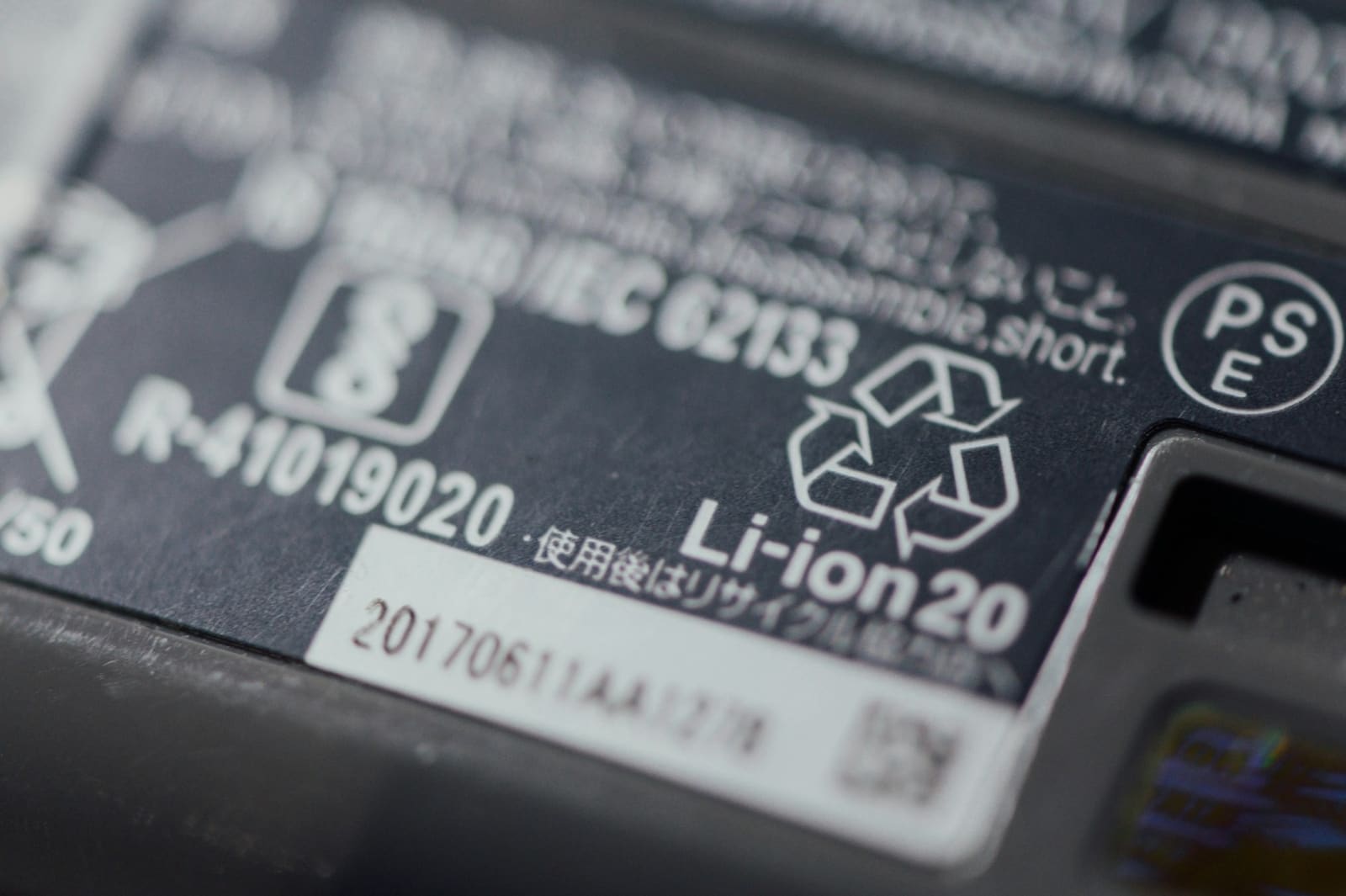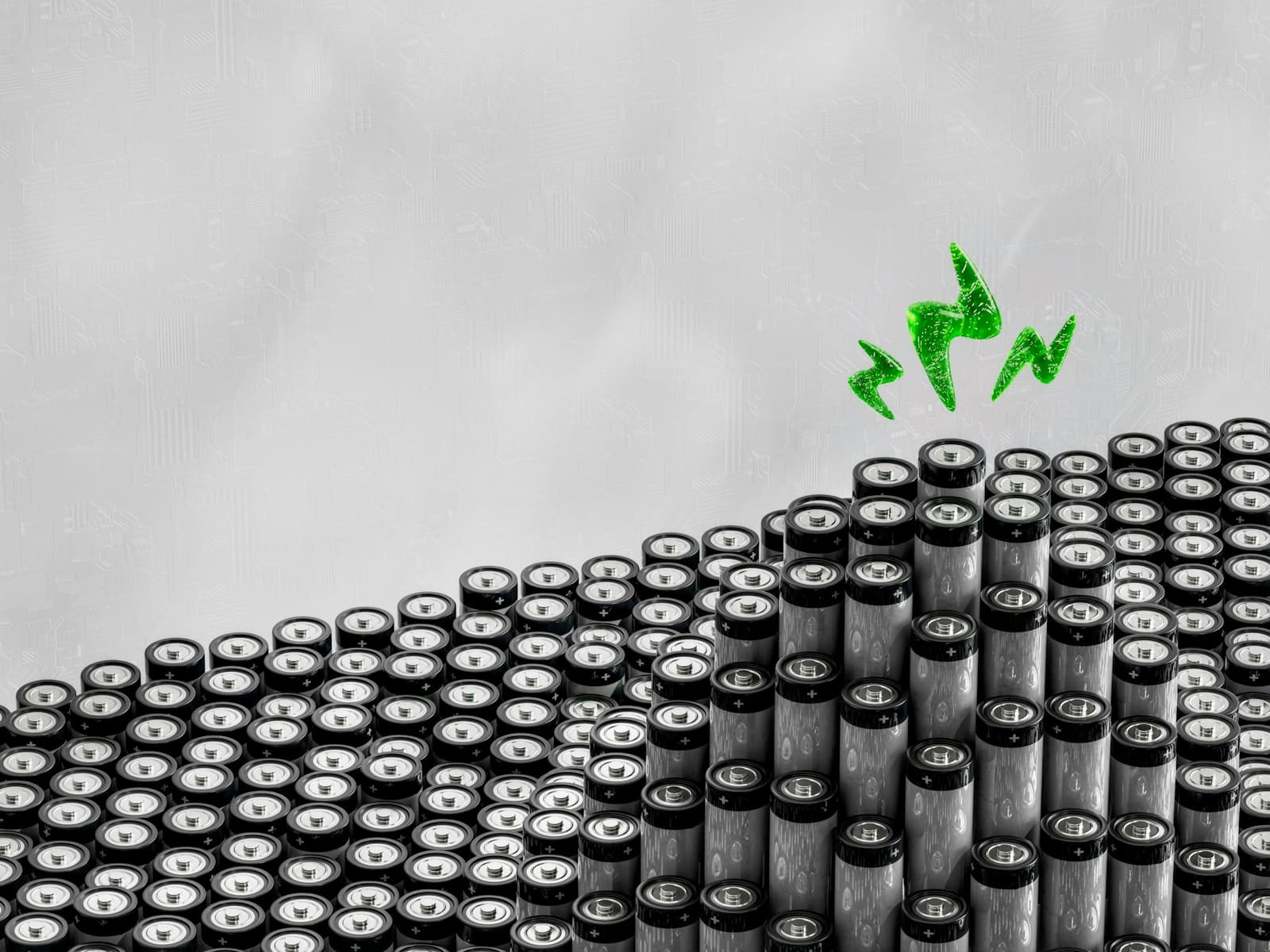
Think of the e-rickshaws and electric scooters on Indian roads, the rooftop solar systems with battery backup, the telecom towers, and the phones and laptops in every home and office. Lithium-ion batteries are now part of daily life across India, and each one will eventually be worn out.
What we do with them at that point makes a real difference. Managed well, old batteries are a valuable supply of materials. Managed badly, they put people and the environment at risk.
Old batteries are worth something
Depending on chemistry, a lithium-ion battery can contain lithium, nickel, cobalt, manganese, copper, aluminium and graphite. Recovering these keeps them in use and can lower the need for newly mined raw materials, many of which India currently imports.
The hidden cost of careless disposal
Batteries dumped with household or commercial waste, or broken apart without proper controls, can short-circuit and start fires in collection vehicles and waste sites. Damaged cells can also leak harmful substances. Responsible channels cut these risks for workers, neighbourhoods and the environment.
The rules are getting stricter
The Battery Waste Management Rules, 2022, issued by India's Ministry of Environment, Forest and Climate Change, replaced the earlier 2001 rules and brought in Extended Producer Responsibility (EPR) for batteries. Producers are now responsible for making sure the batteries they sell are collected and then recycled or refurbished. The aim is a better-organised, more accountable battery supply chain.
The role of a battery scrap trader
Between the businesses that produce battery scrap and the plants that recover its materials, someone has to identify the batteries correctly, sort them, document them and move them. When that link works well, material reaches a suitable process and everyone involved has a clear record of where it went.
Steps any business can take now
- Set aside a safe, tidy area for storing battery scrap
- Sort batteries by type and by condition
- Keep a basic log of quantities stored and dispatched
- Deal only with partners who document every transaction
- Book regular pickups instead of letting stock build up
Waste today, value tomorrow
India's move to clean energy will be judged not just by how many batteries it puts to work, but by how well it looks after them once they wear out. Each battery recovered properly keeps useful materials in the economy and out of landfill. That is a future worth working toward.
This article offers general information only and should not be taken as legal, safety or compliance advice. Always follow the regulations and guidance that apply to your own site and material.
Back to all articles