

Sustainability
More Than Just Scrap
The Bigger Picture
Clean energy depends on batteries. So does what happens when they wear out.
Electric vehicles, solar and wind storage, and the gadgets in our pockets all run on lithium-ion batteries. The more of them we use, the more of them reach the end of their working life each year.
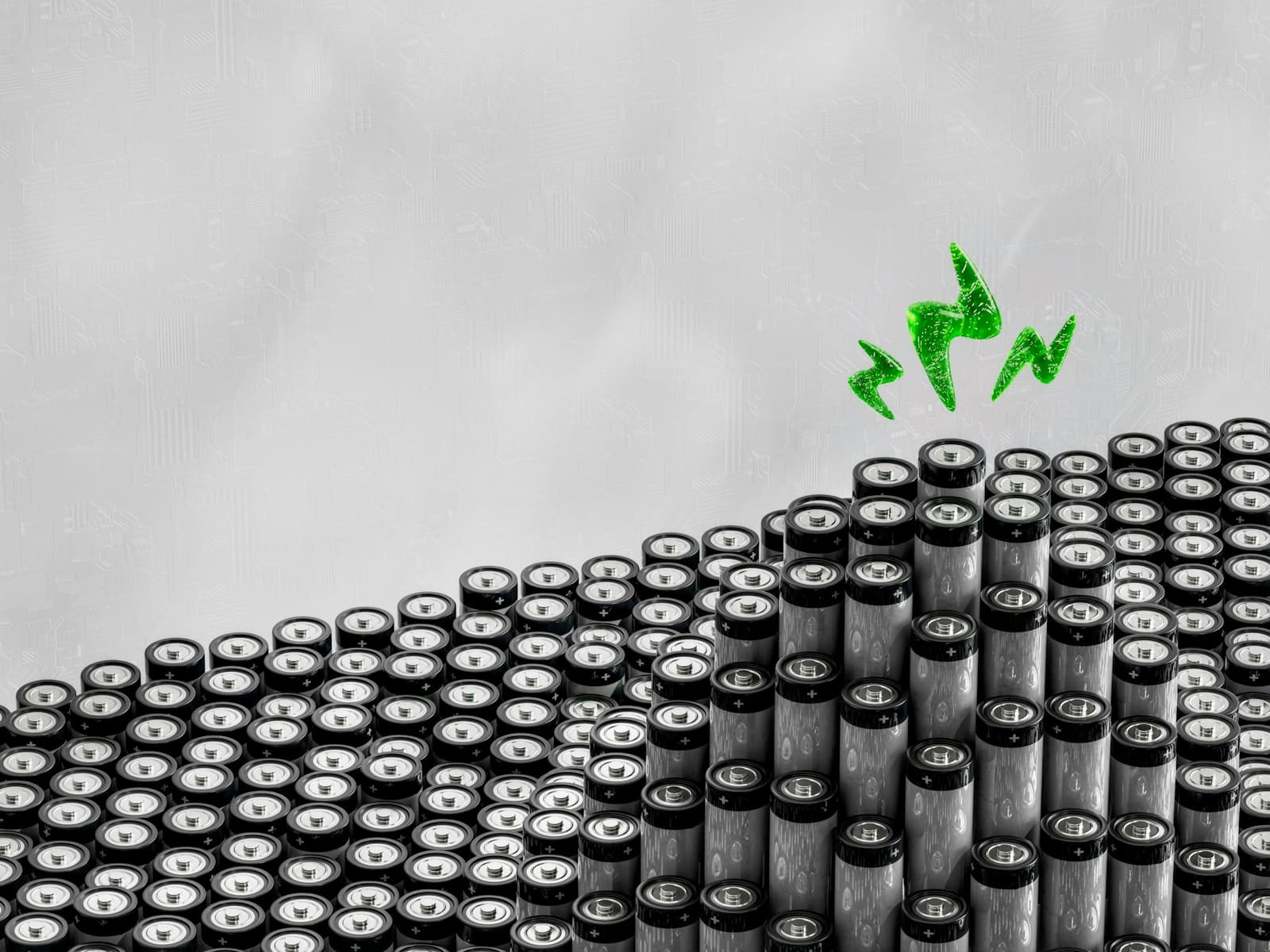
Treated carelessly, those batteries are a fire and pollution hazard. Treated properly, they are a supply of valuable materials that can go back into new products. Making sure it’s the second outcome is our job.
Benefits
What proper recovery achieves
Materials Reclaimed
Metals locked inside used batteries can be recovered rather than lost for good.
Less Waste
Diverting batteries from landfill and informal scrapping lowers environmental risk.
A Closed Loop
Recovered materials can feed back into manufacturing, closing the battery loop.
Less New Mining
Reclaimed materials can ease reliance on freshly mined resources.
Better Industrial Habits
Organised scrap management helps businesses deal with battery waste properly.
A Stronger Clean-Energy Chain
Handling batteries well at end of life supports the wider shift to clean energy.

Waste Today, Value Tomorrow.
Recovering batteries properly keeps their materials working, and keeps them out of landfill.
Circular Economy
How a Used Battery Comes Full Circle
Stage 01 / 07
In Use
Throughout their working life, lithium-ion batteries run vehicles, devices, storage systems and industrial machines.
Our Principles
Four rules we work by
- 01
Recovery comes first
We see every battery as a store of materials. Throwing it away is never our starting point.
- 02
Safety is non-negotiable
Lithium-ion batteries need careful treatment, so safe packing, storage and transport always come first.
- 03
Say what we see
Accurate descriptions, fair assessments and full records build trust with everyone in the chain.
- 04
Think long term
Steady relationships turn responsible recovery into a routine rather than a one-off.
Quality & Safety
Six Standards We Work To
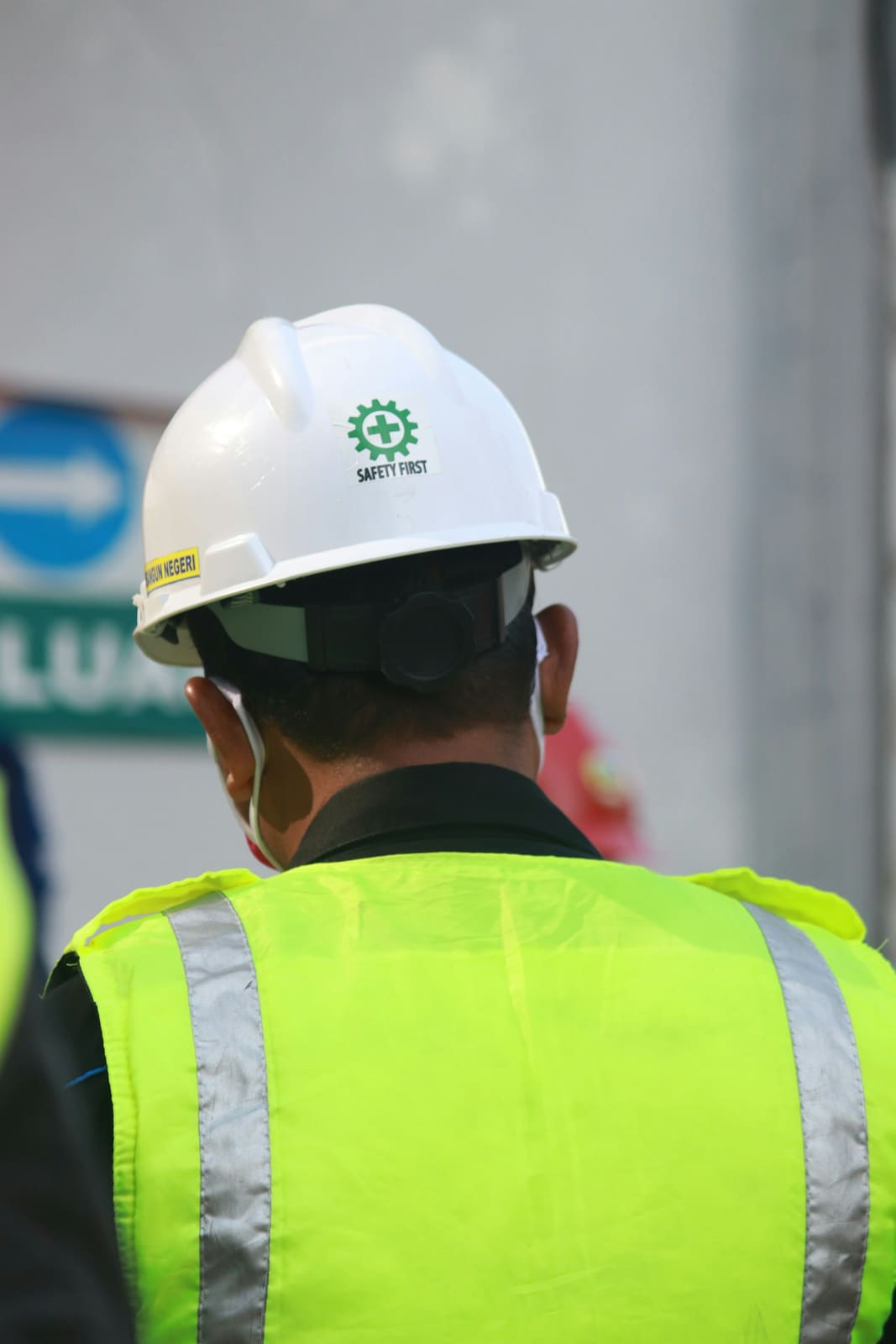
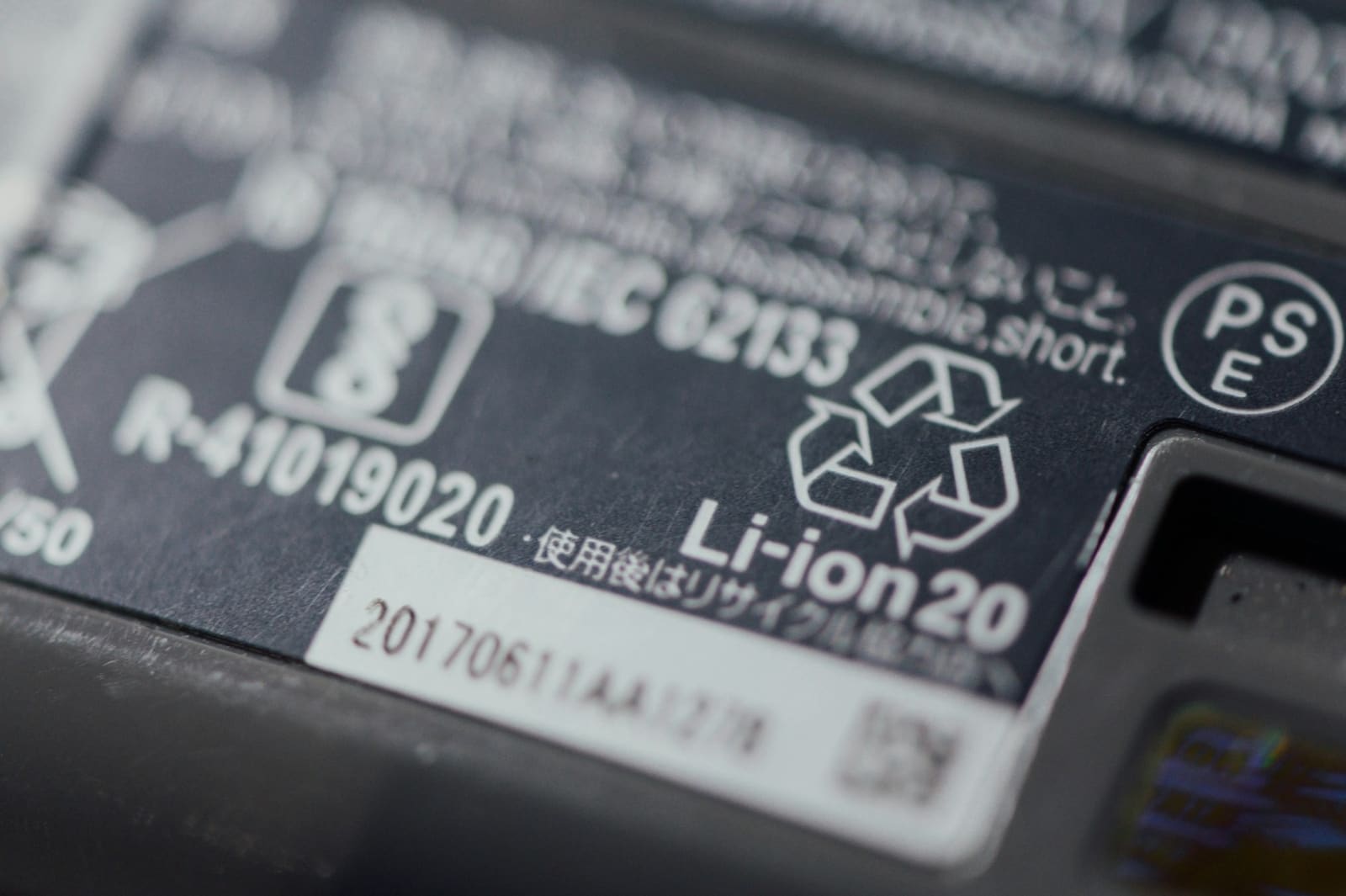
Batteries are packed and stored to keep the risks of short circuits, leaks and impact damage as low as possible.
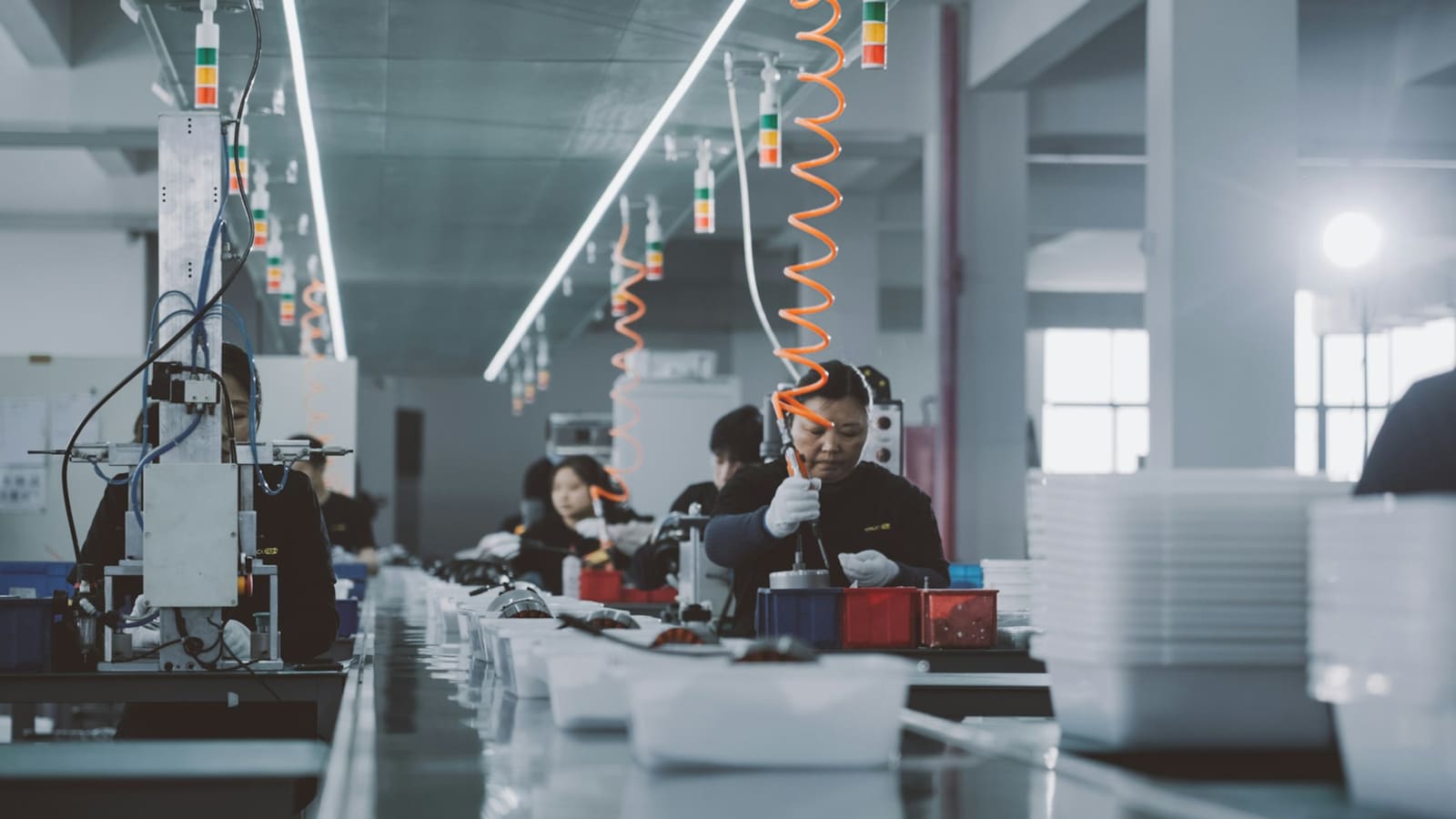
Every lot is checked for type, format and condition before it moves, so its description is accurate.
Sorting by chemistry, format and condition helps each lot reach a suitable recovery process.
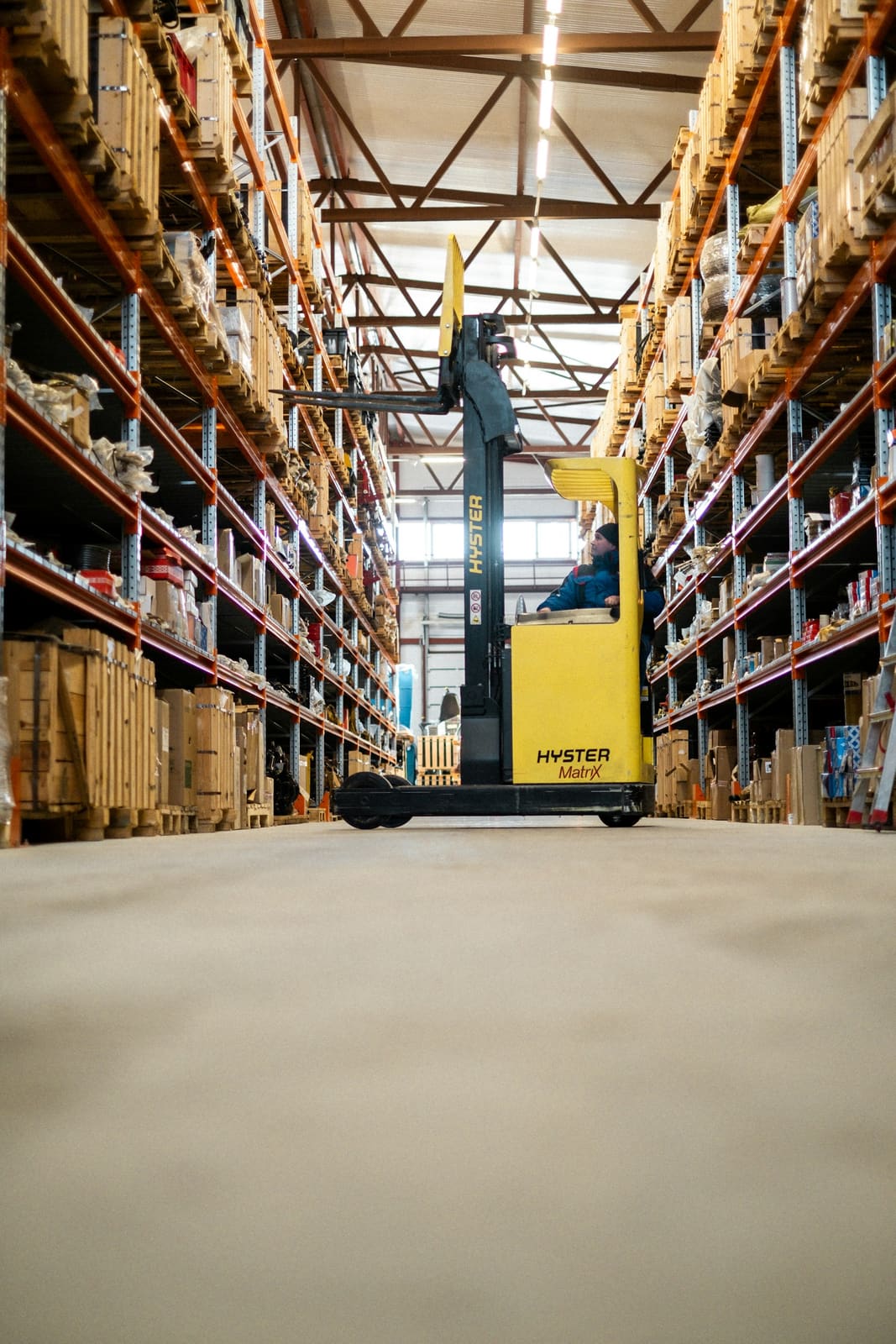
Pickups and dispatches are arranged with the right packing and transport for the material.
Material, quantity and agreed terms are documented for every transaction.
The aim is straightforward: keep battery materials in use and out of landfill.
Get in Touch
Got Battery Scrap to Move On?
Tell us what you have, and we'll work out a responsible route for it that pays.