Lithium-Ion Battery Scrap Trading
We buy and trade used, surplus and rejected lithium-ion batteries, with an evaluation you can follow and communication you can rely on.
Lithium Ion Cell & Battery Scrap Trading
UNNATI GREEN ENERGY buys and trades lithium-ion cell and battery scrap, giving businesses a dependable way to earn a return on worn-out batteries and keep their materials in use.
The Recovery Loop
Battery — Worn-out cells & packs
The Recovery Loop
Waste Today, Value Tomorrow
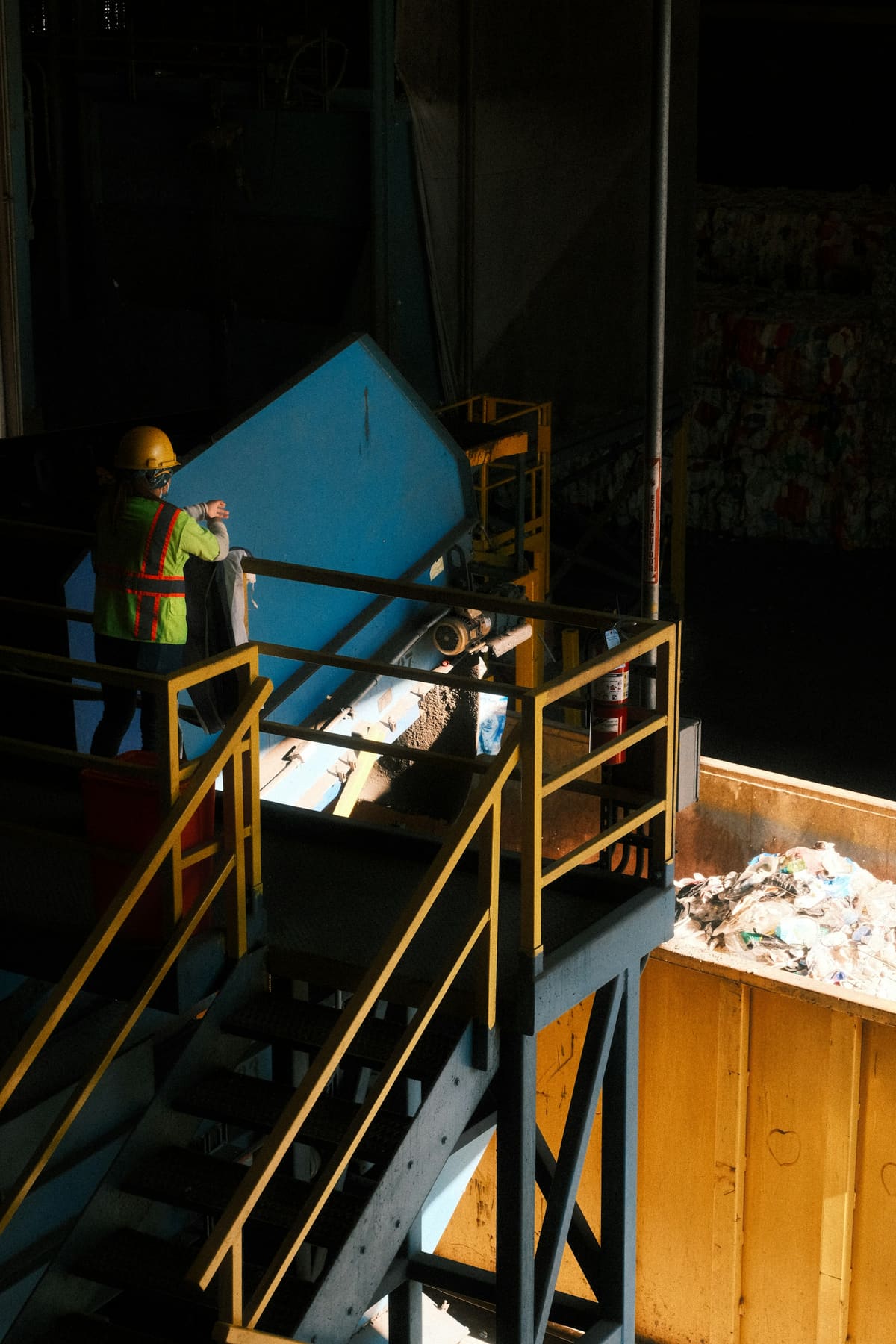
Waste Today, Value Tomorrow
A worn-out battery is still full of materials worth getting back.
About Us
Clean Energy Closed-Loop Thinking Careful Recovery
UNNATI GREEN ENERGY trades lithium-ion cells and battery scrap. We give businesses a proper way to deal with their battery waste, so that as much material as possible is recovered and put back to work.
Even a worn-out lithium-ion battery holds useful materials, including lithium, nickel, cobalt, copper and aluminium, depending on its chemistry. We link the businesses that produce battery scrap with the channels that can reclaim those materials, backed by open evaluation, careful handling and relationships built to last.
What We Do
We buy and trade used, surplus and rejected lithium-ion batteries, with an evaluation you can follow and communication you can rely on.
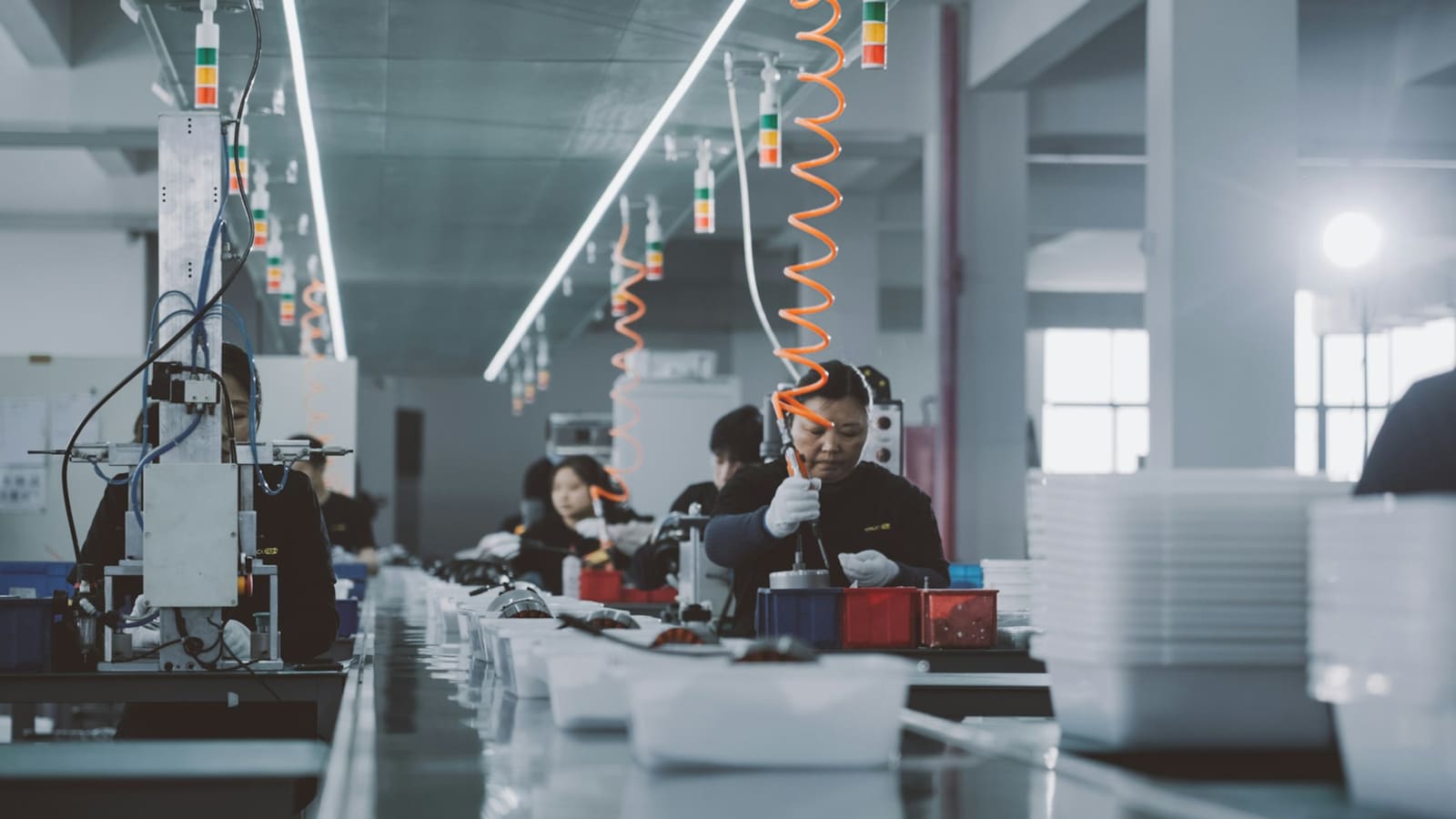
Help with lithium-ion battery production lines, covering line planning, equipment, installation, commissioning and ongoing support.
Cylindrical, prismatic and pouch cells — whether rejected, surplus or worn out — identified with care and traded responsibly.
Packs and modules from EVs, e-rickshaws, storage systems and electronics, handled carefully from assessment to dispatch.
Steering battery scrap into recovery and recycling channels, so the valuable materials inside can return to the supply chain.
Sourcing battery scrap through traceable channels, with accurate descriptions of the material and full records of every deal.
Organised trading for manufacturers and industrial sites that produce battery scrap in large or regular volumes.
No two businesses need quite the same thing. Tell us about your material or project and we’ll put together a service that fits.
Talk to Our TeamOur Products
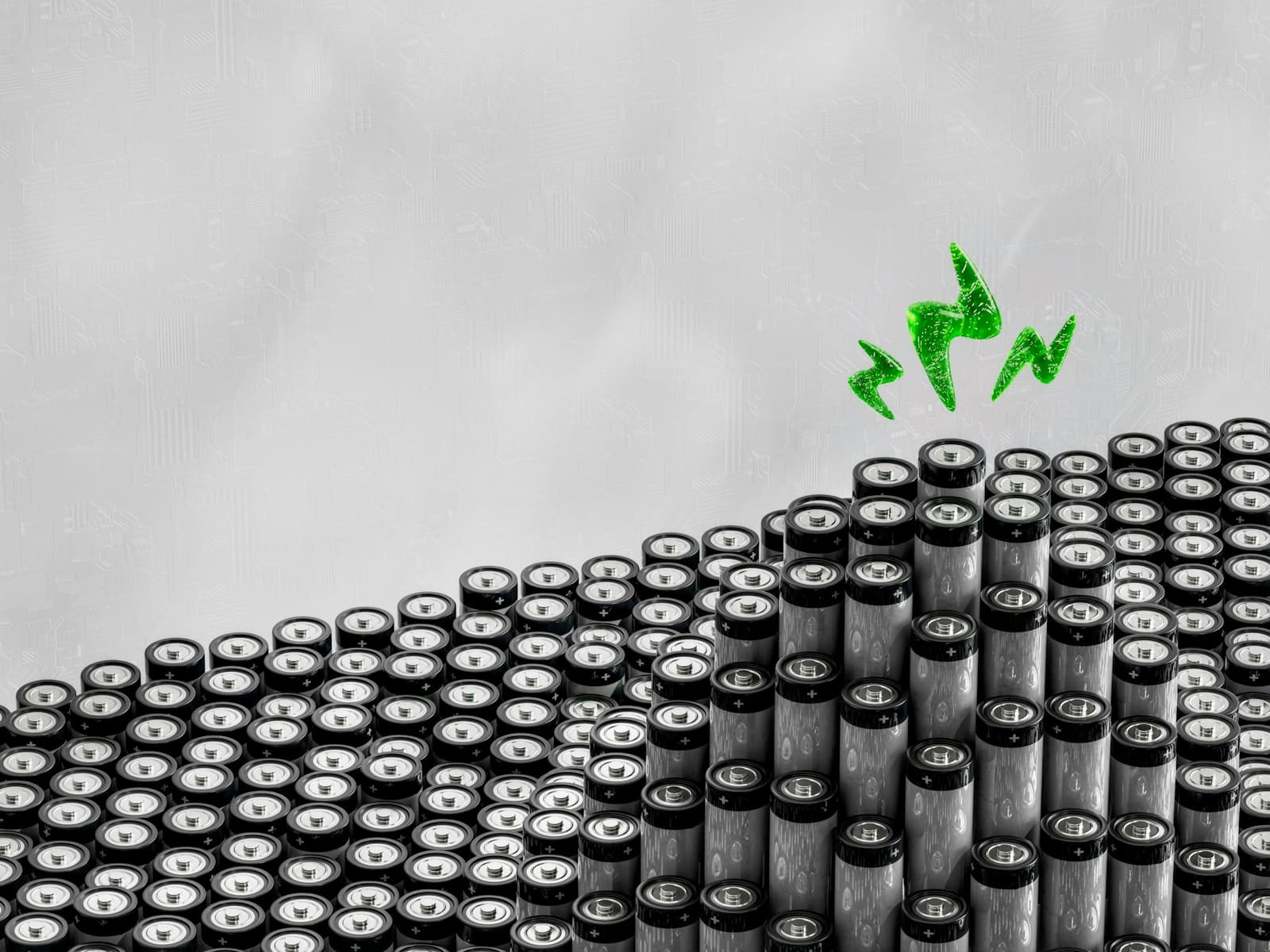
Single cylindrical, prismatic and pouch cells, from factory rejects and excess stock to cells at the end of their life.
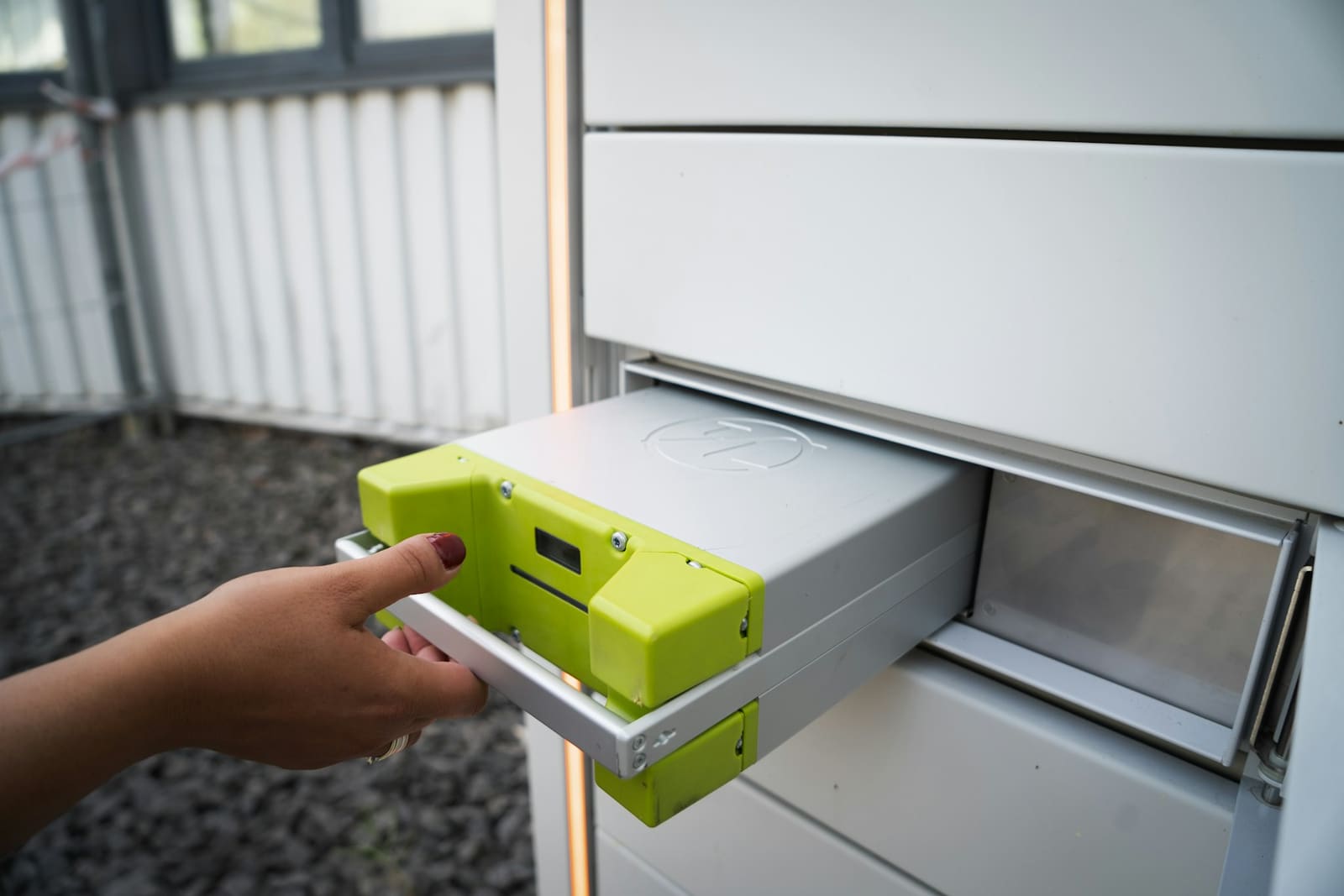
Complete packs and modules taken from vehicles, storage systems and electronic products.
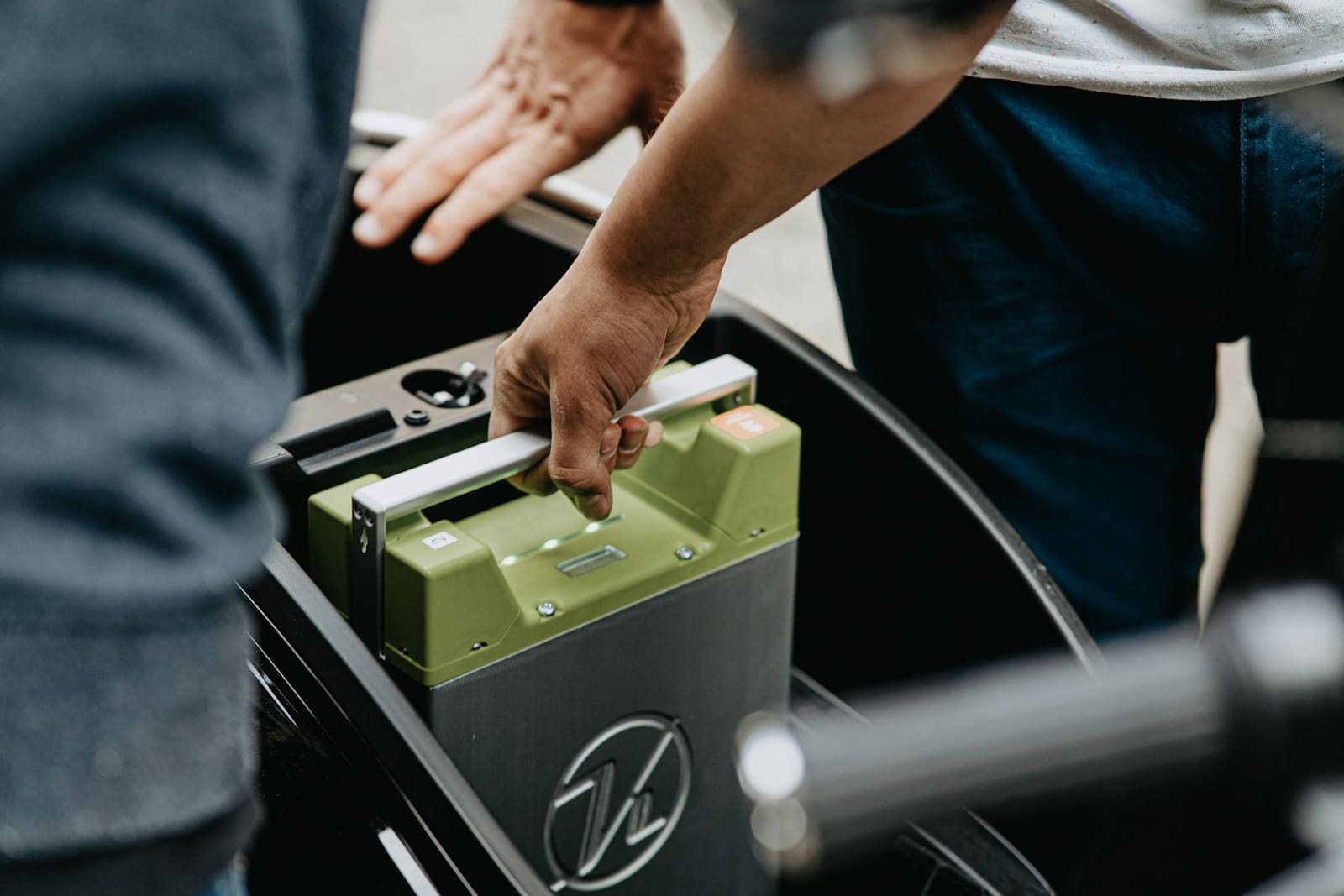
Traction batteries from e-rickshaws, electric scooters and motorcycles, and other light electric vehicles.

Batteries from inverters, backup power units and small stationary storage systems.
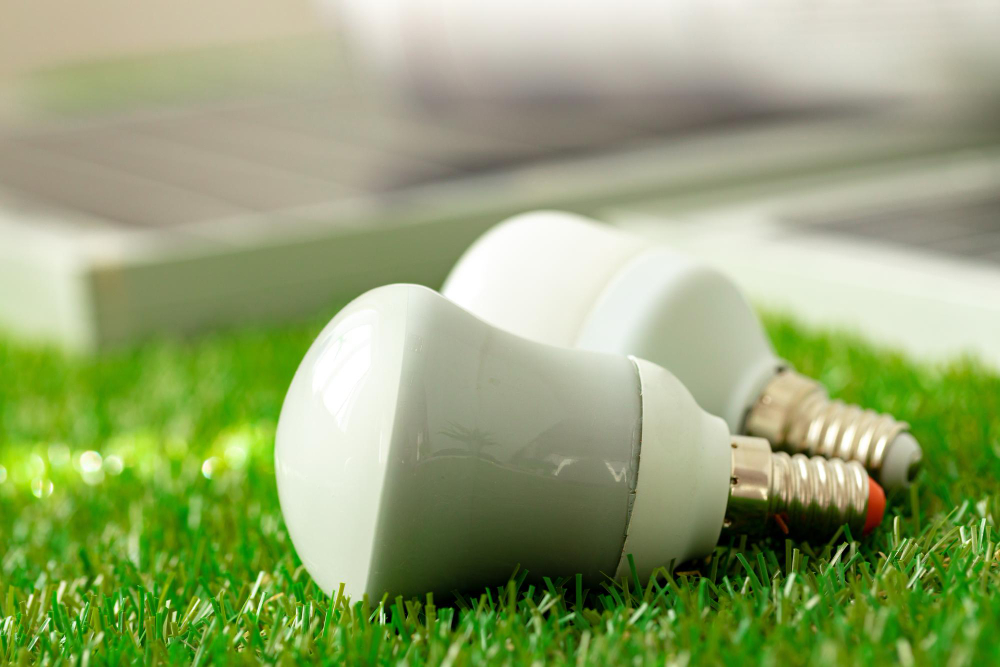
Cells and packs taken from solar lamps, emergency lights and LED products.
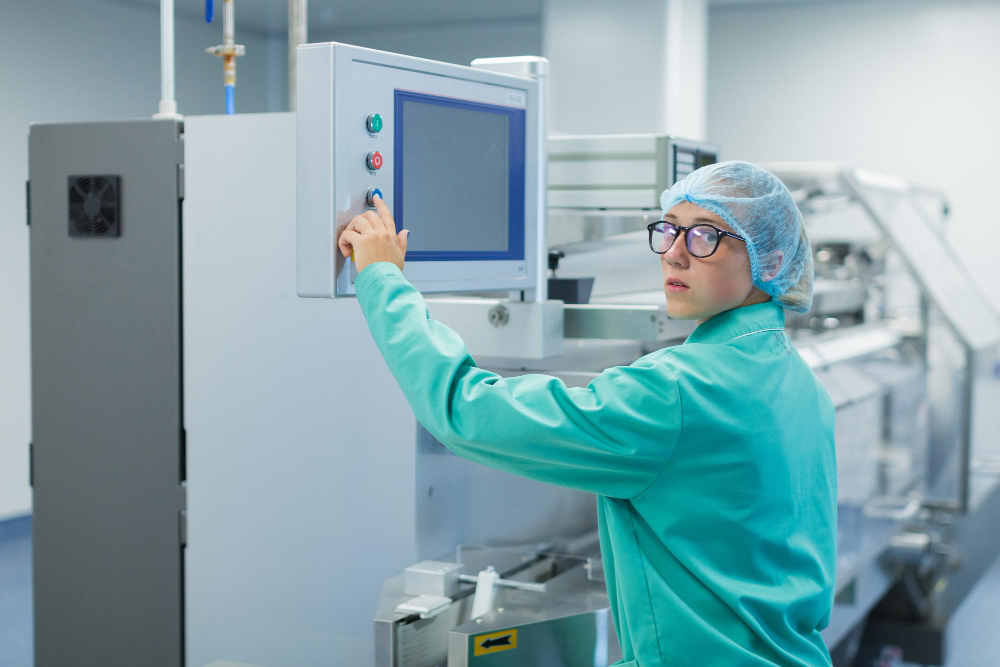
Batteries from portable medical and healthcare equipment, handled with the care they need.
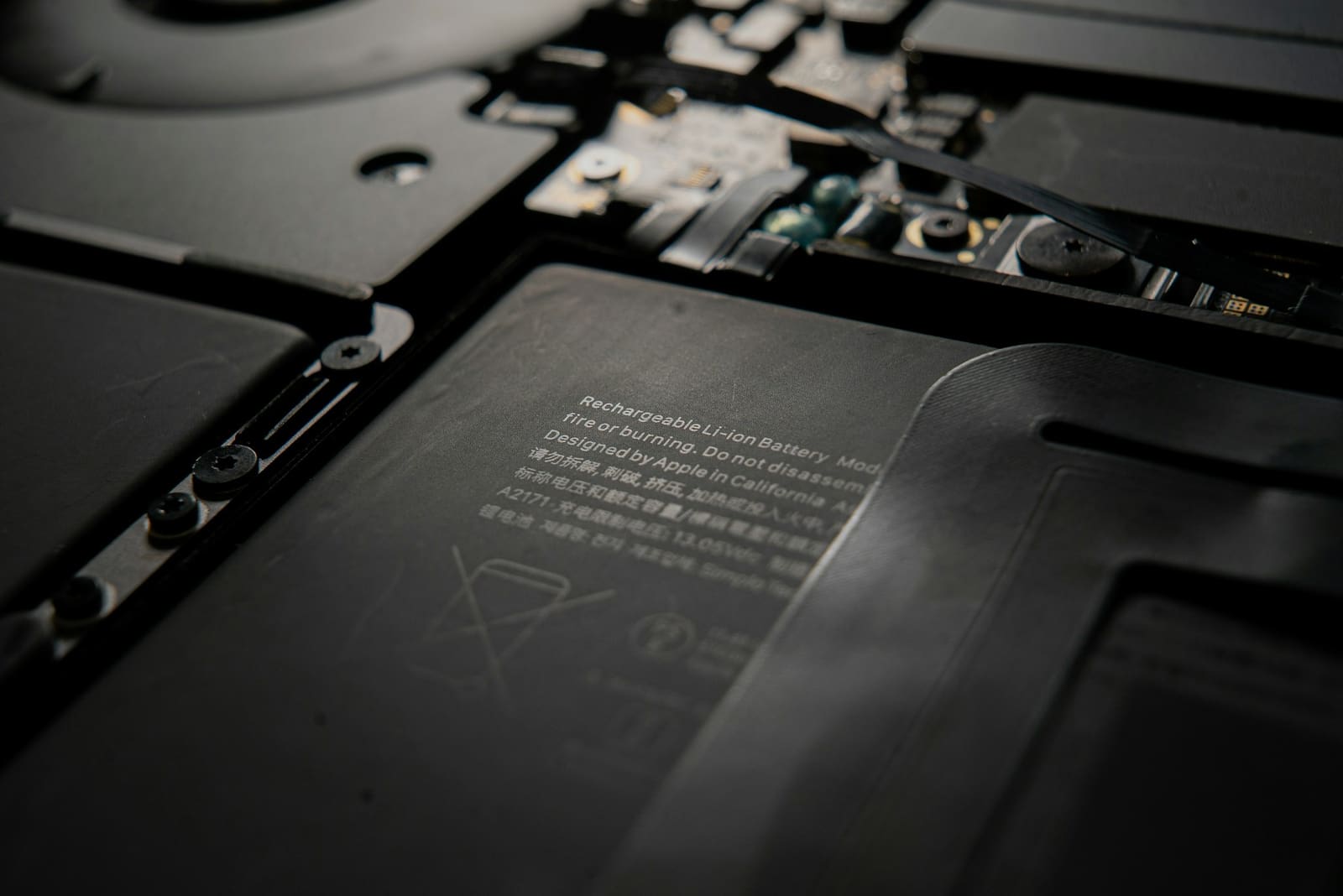
Batteries from laptops, phones, power banks and other everyday gadgets.
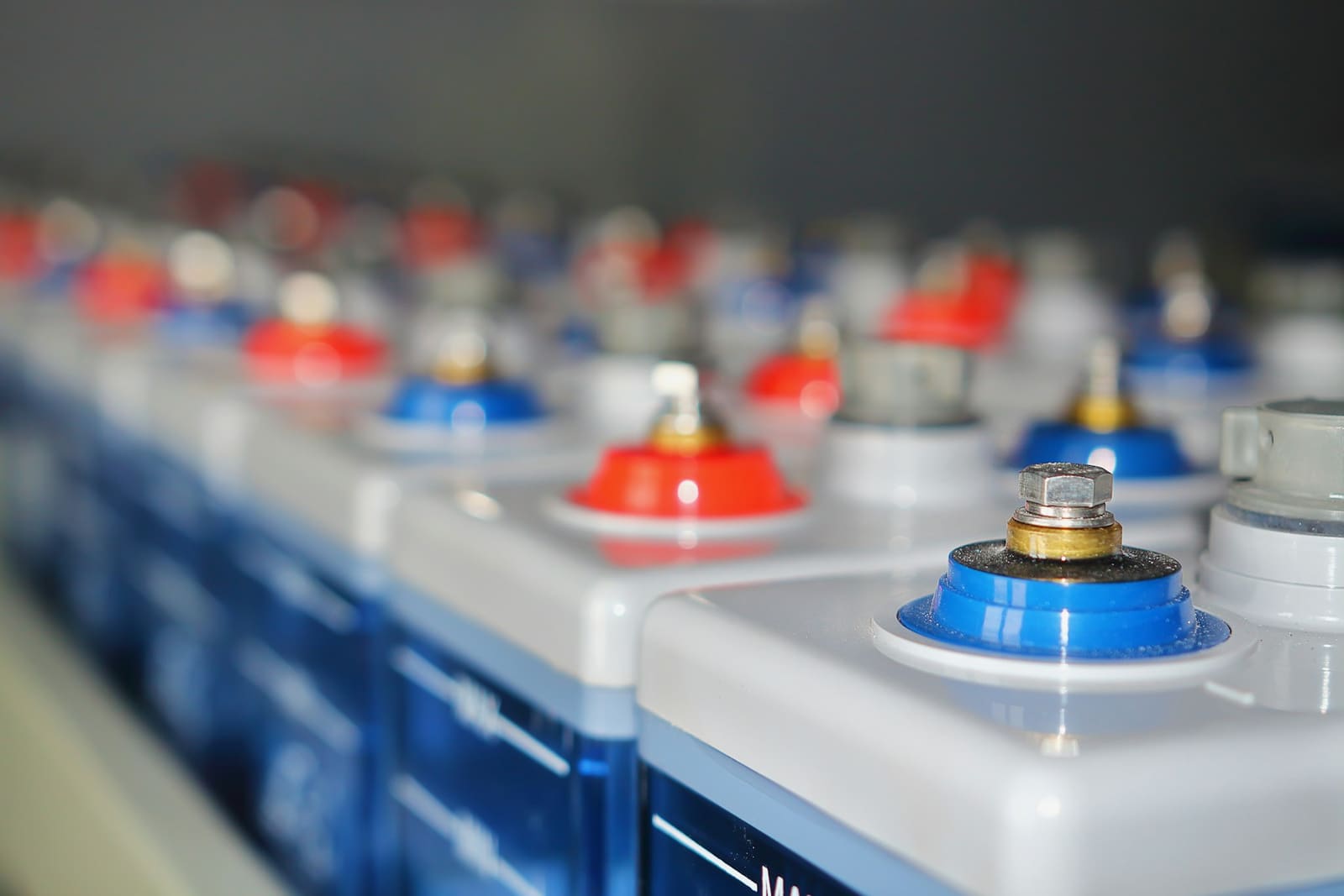
Batteries from industrial machinery, UPS systems and commercial sites.
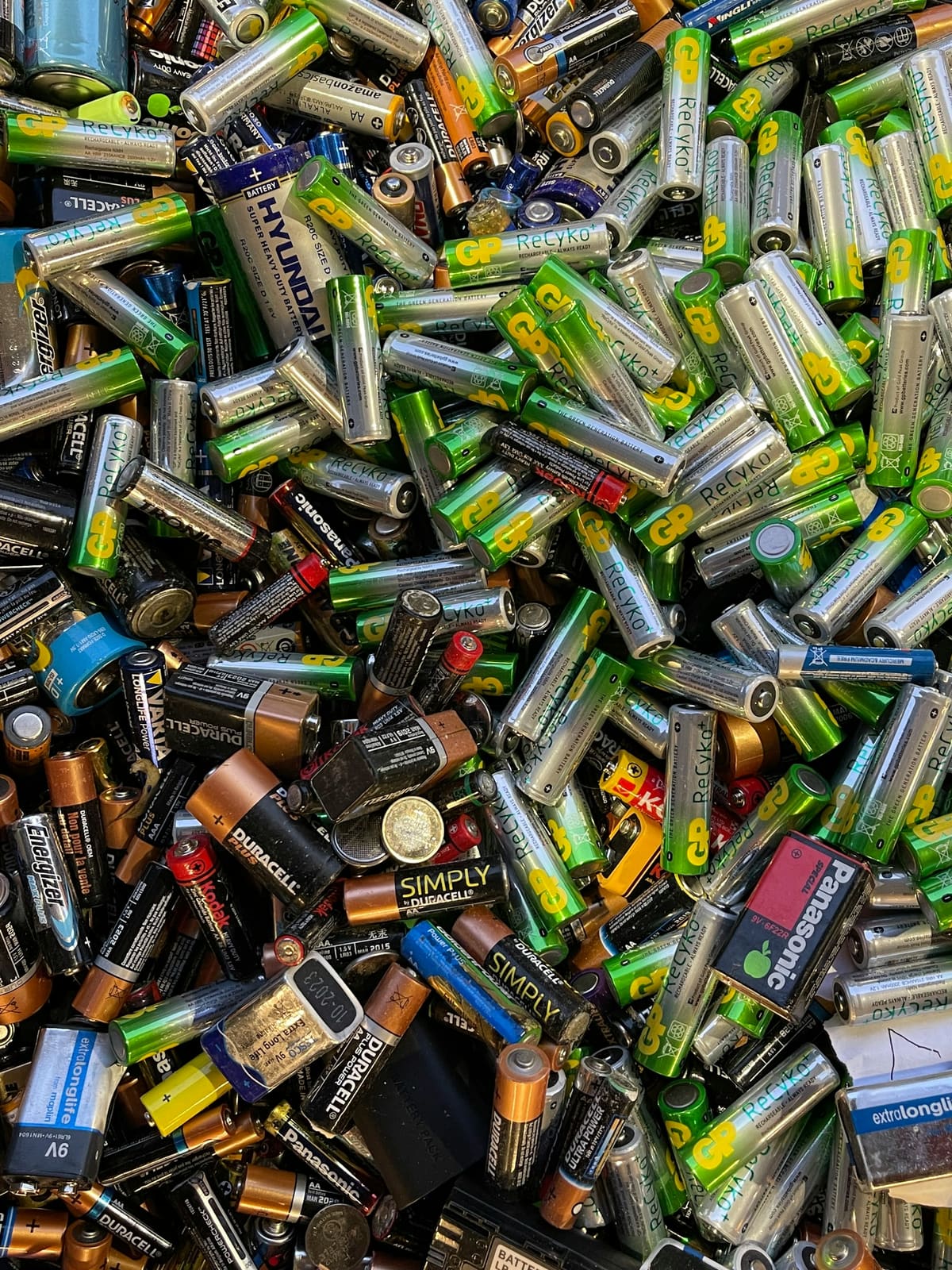
Mixed lots of batteries and battery-containing e-waste, sorted before they move on.
Send us some photos and a few lines about it. We’ll work out what it is and tell you what happens next.
How It Works
We collect scrap from manufacturers, businesses and aggregators — after first learning what the material is, what state it is in and how much there is.
Each lot is checked and sorted by chemistry, format and condition, so the record matches what is actually there.
Packing, storage and transport are planned to keep the risk of short circuits, leaks and physical damage low.
Material that suits recovery is sent on to processes where its metals and usable parts can be reclaimed.
Reclaimed materials and serviceable parts re-enter recycling and manufacturing supply chains.
Your scrap earns a return for your business and contributes to a cleaner, more circular energy sector.
Industries
Worn-out traction batteries, swap-station packs and production scrap from EV makers, fleets and service centres.
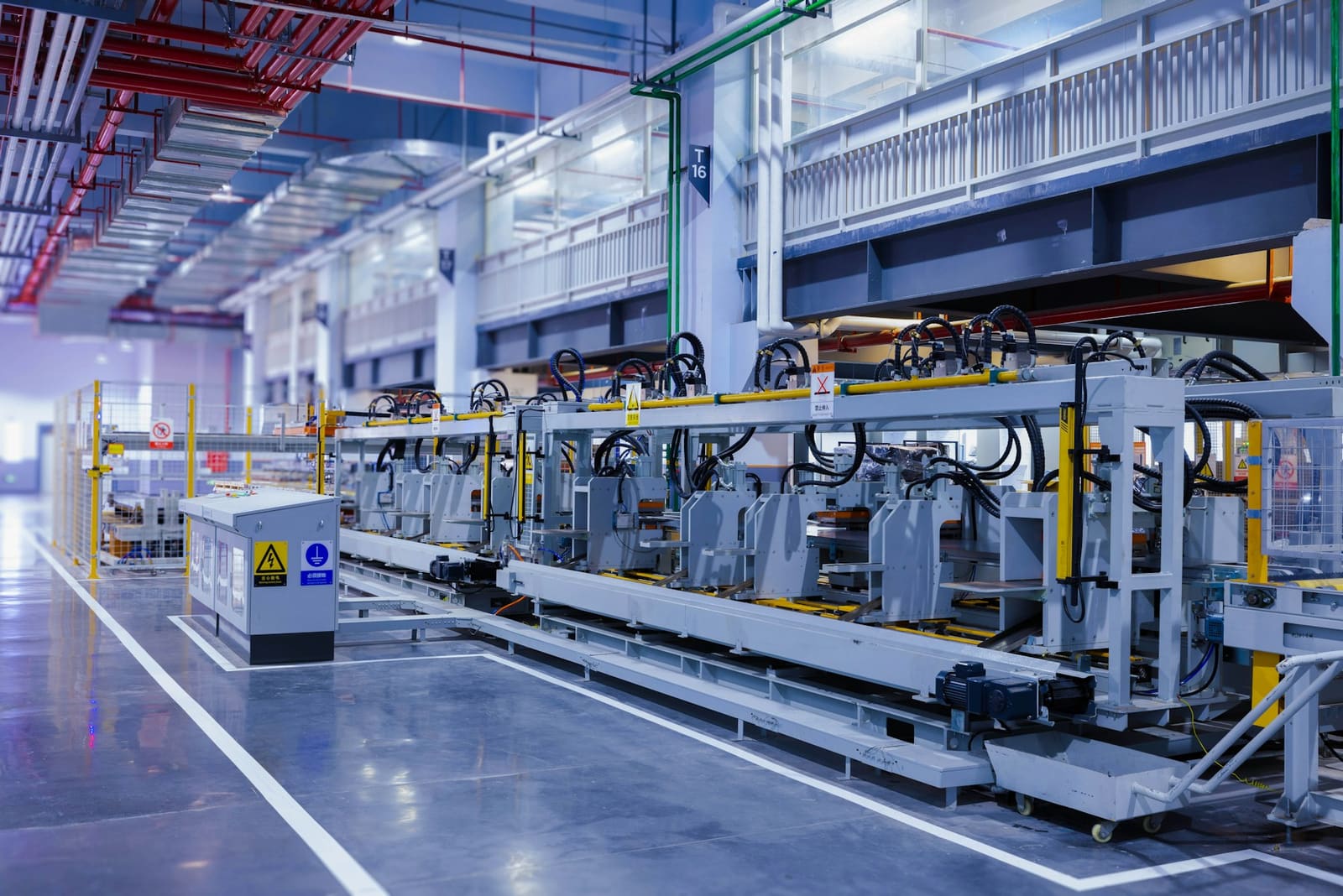
Rejected cells, off-spec batches and production scrap from cell and pack assembly lines.
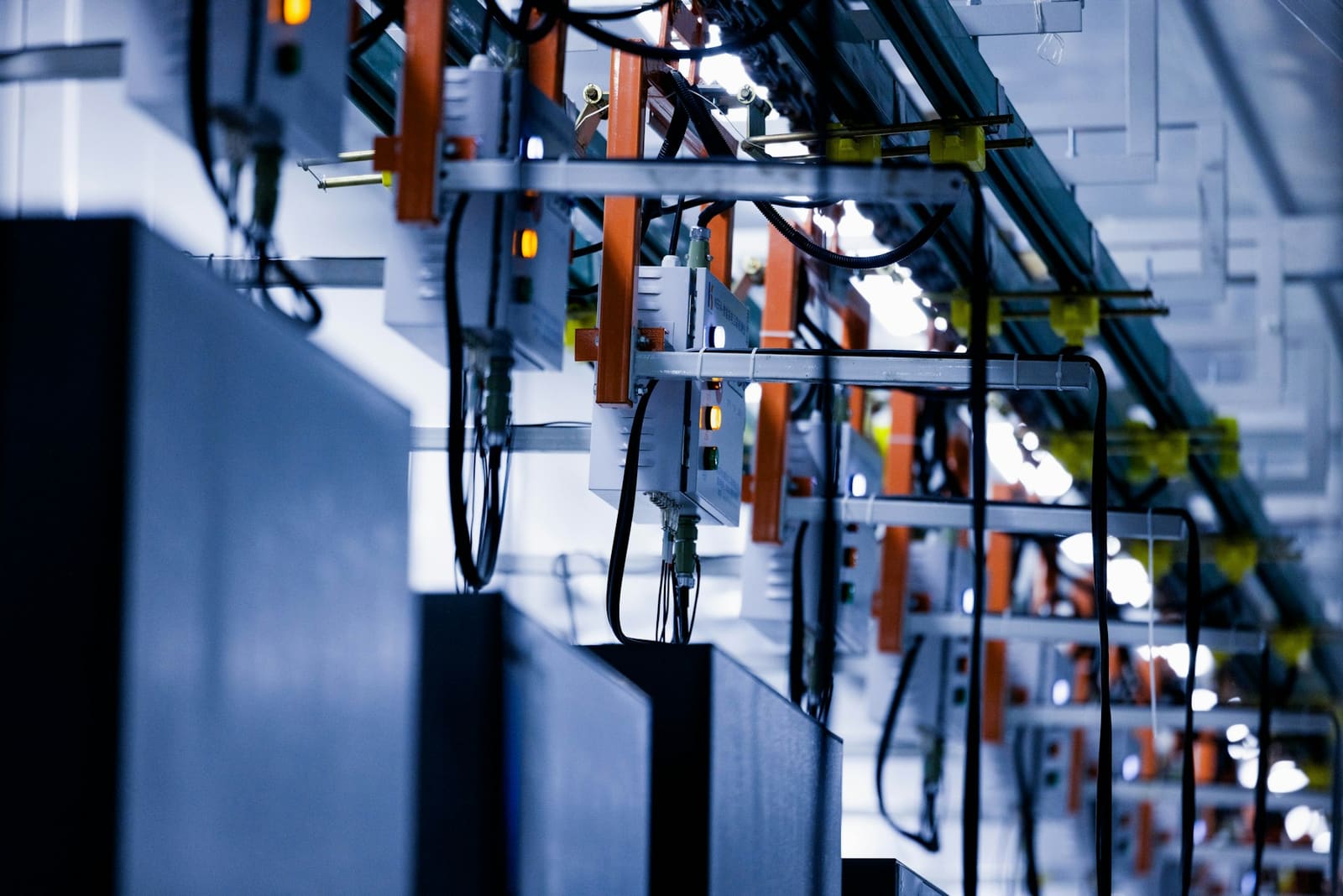
Retired batteries and modules from inverters, backup power and stationary storage systems.
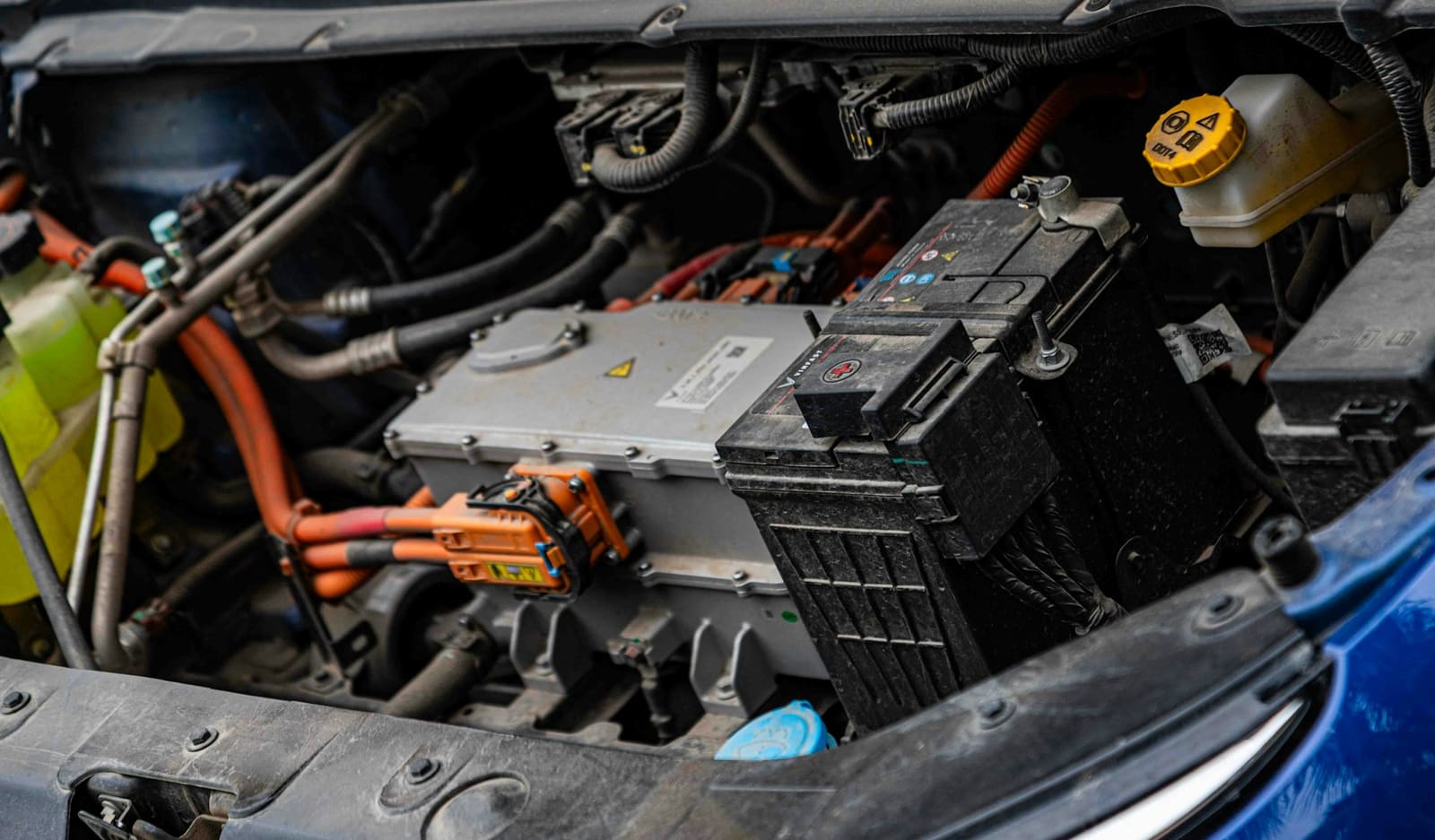
Battery scrap from vehicle workshops, dealerships and parts suppliers.
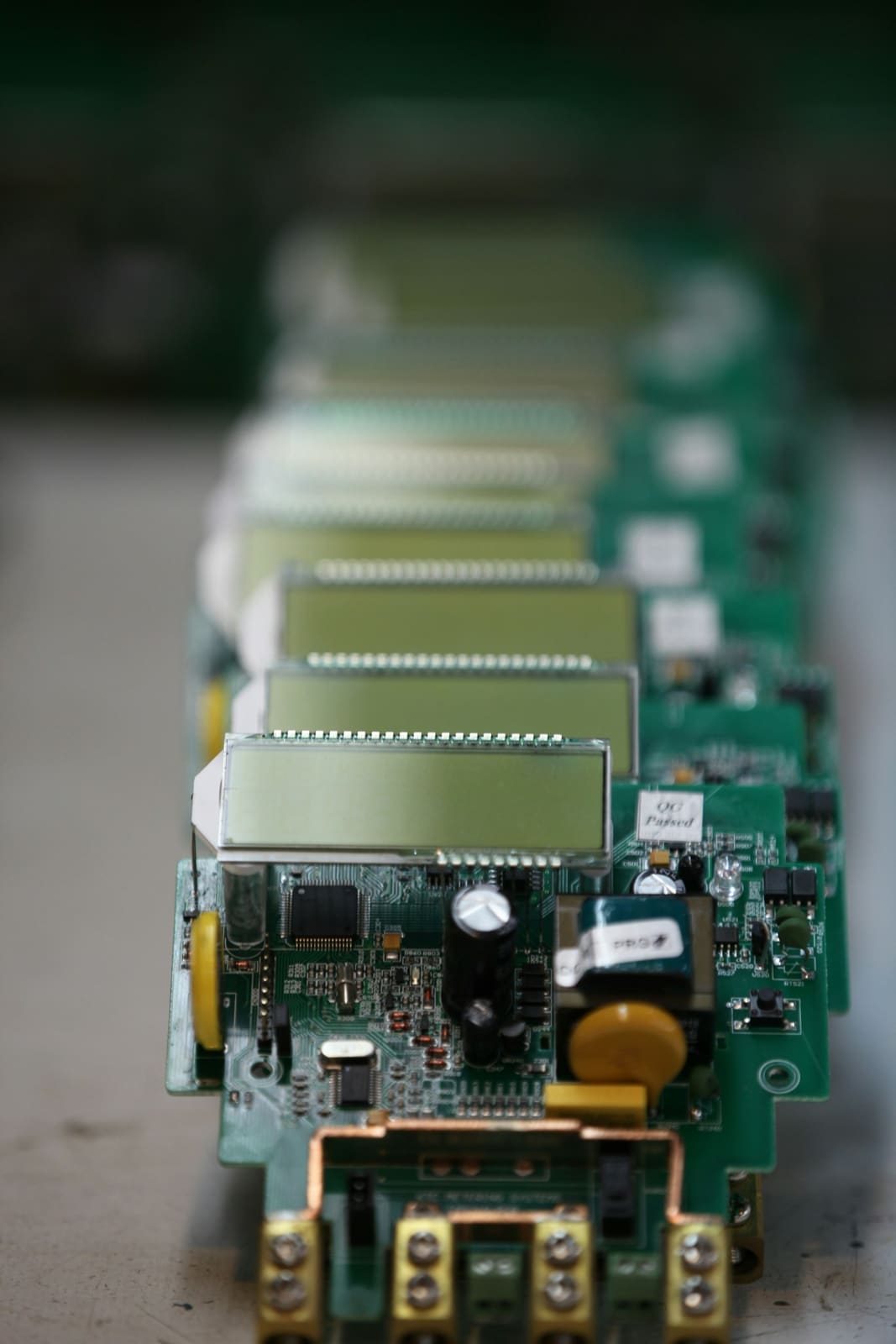
Batteries taken from electronic assemblies, devices and repair work.
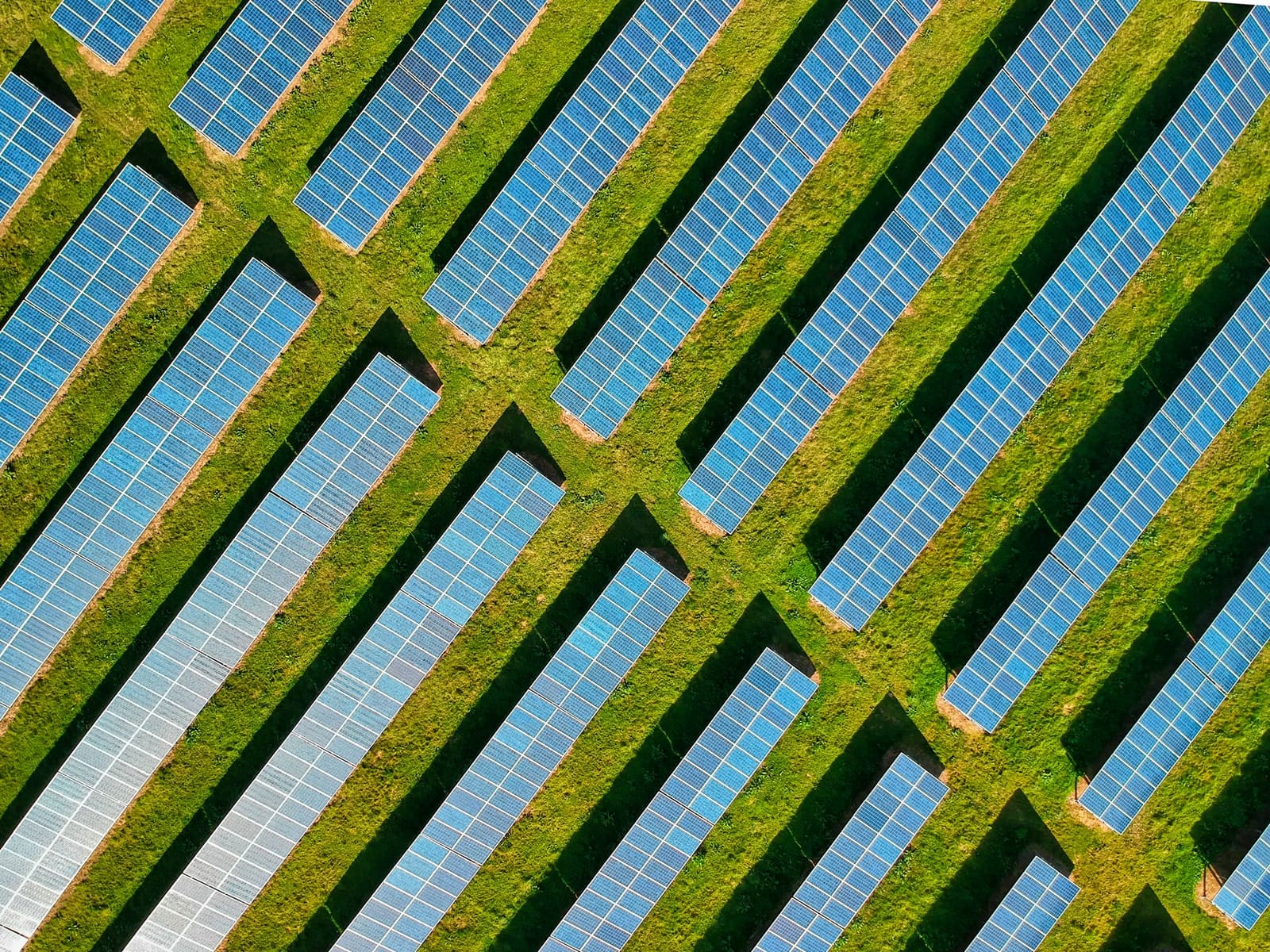
Storage batteries from solar and hybrid installations that have reached the end of their service life.
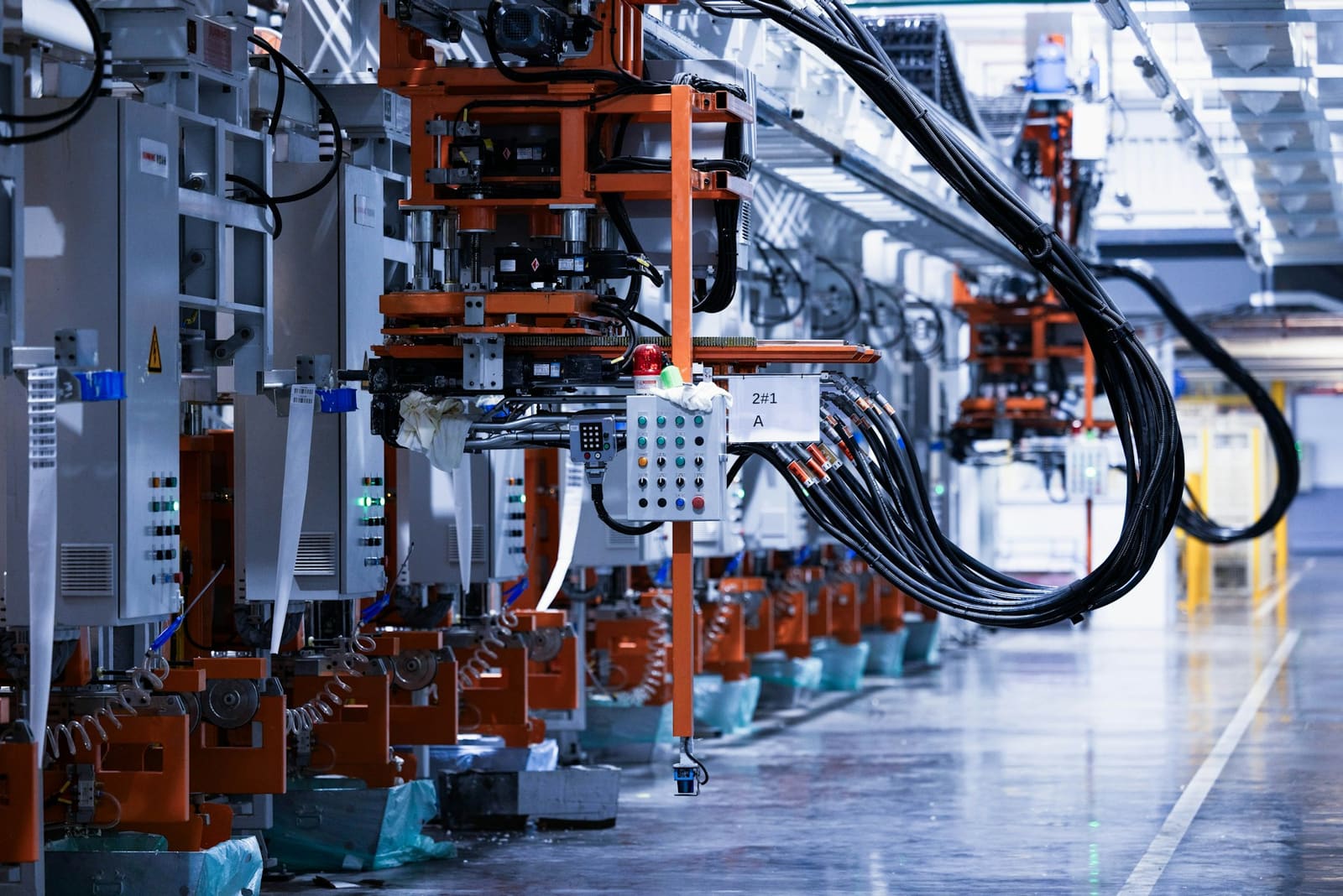
Batteries from forklifts and handling equipment, UPS systems, tools and machinery.
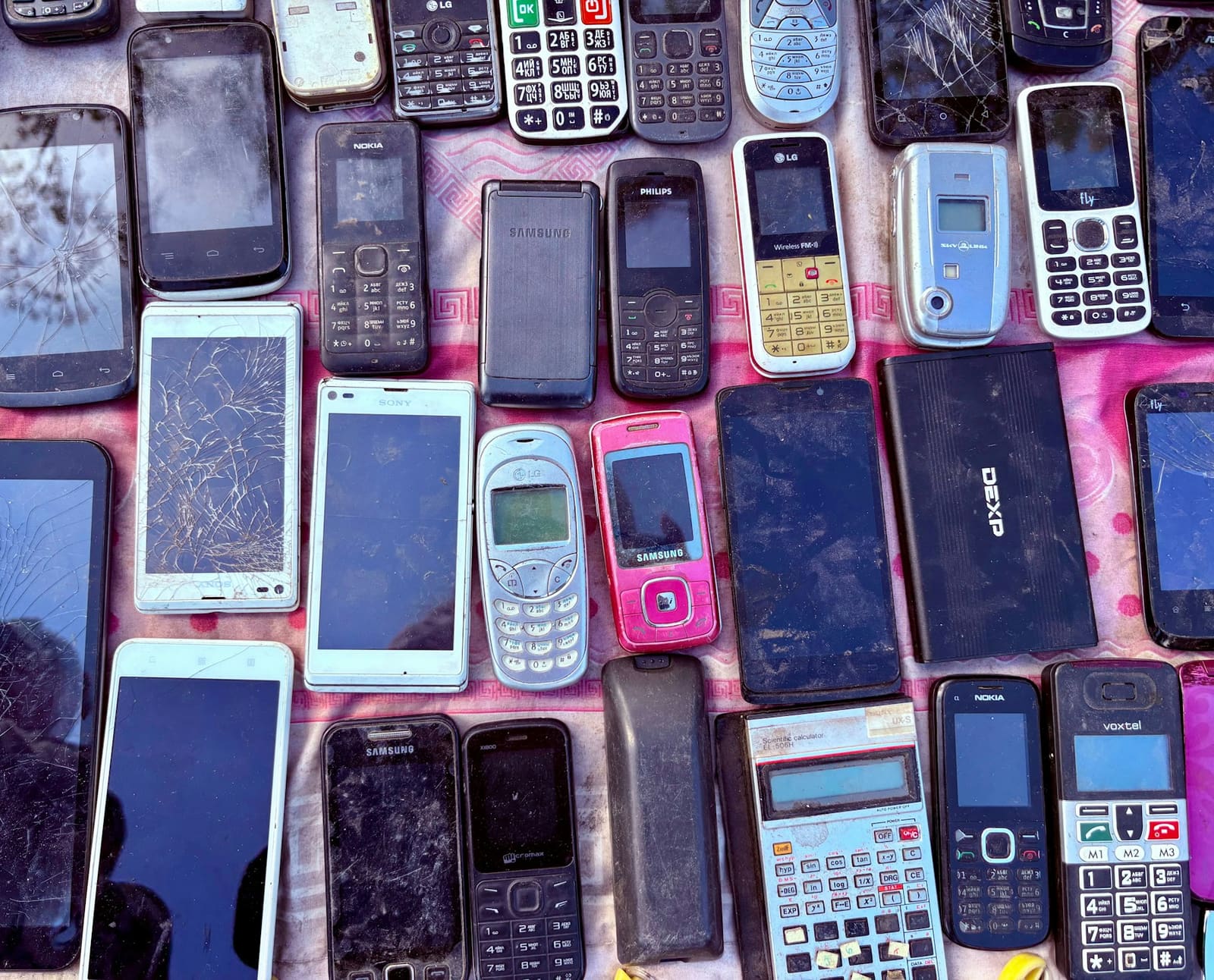
Batteries from phones, laptops, power banks and gadgets, gathered through refurbishers and aggregators.
Why Us
Here for the long run
Each battery is handled attentively and sent only to suitable downstream channels.
You see how we arrive at our offer, agree clear terms and receive full records for each lot.
Thorough checks and sorting mean material is recorded as it really is.
Relationships across the battery value chain help keep material moving without delays.
Reclaiming materials and cutting waste shape the decisions we make.
We aim to earn repeat business through steady, reliable work.
We understand cell formats, chemistries and how different industries generate scrap.
Quick replies, on-time coordination and respect for your schedule.
Circular Economy
Stage 01 / 07
Throughout their working life, lithium-ion batteries run vehicles, devices, storage systems and industrial machines.
Sustainability
Metals locked inside used batteries can be recovered rather than lost for good.
Diverting batteries from landfill and informal scrapping lowers environmental risk.
Recovered materials can feed back into manufacturing, closing the battery loop.
Reclaimed materials can ease reliance on freshly mined resources.
Organised scrap management helps businesses deal with battery waste properly.
Handling batteries well at end of life supports the wider shift to clean energy.

Waste Today, Value Tomorrow.
Recovering batteries properly keeps their materials working, and keeps them out of landfill.
Quality & Safety
Batteries are packed and stored to keep the risks of short circuits, leaks and impact damage as low as possible.
Every lot is checked for type, format and condition before it moves, so its description is accurate.
Sorting by chemistry, format and condition helps each lot reach a suitable recovery process.
Pickups and dispatches are arranged with the right packing and transport for the material.
Material, quantity and agreed terms are documented for every transaction.
The aim is straightforward: keep battery materials in use and out of landfill.
Testimonials
“A client testimonial goes here. Add a short, genuine quote about working with UNNATI GREEN ENERGY.”
Partners
Recovering batteries properly takes the whole value chain working together: manufacturers, aggregators, recyclers and industrial companies alike.
PlaceholderFAQ
Can’t find your answer?
Get in touch and we’ll talk through your material, quantities and what you need.
Talk to Our TeamMost kinds. That includes loose cylindrical, prismatic and pouch cells; assembled packs and modules; batteries from EVs and e-rickshaws; energy storage and inverter batteries; and batteries taken out of consumer electronics, lighting products and industrial equipment. If you can't tell exactly what you have, send us a few photos and whatever details you know, and we'll help you work it out.
Yes. We handle single clear-outs as well as regular, ongoing volumes from manufacturers, aggregators and industrial sites. Let us know roughly how much material you have and how often it builds up, and we'll plan around that.
Fill in the quote form or get in touch with our team. Tell us the type of battery, an approximate quantity, its condition and where it is located. We'll look over the details, talk you through our evaluation and explain what happens next.
Useful information includes the chemistry or battery type (if you know it), whether it is cells, packs or modules, an approximate weight or unit count, its condition, how it is packed, a few photos and the pickup location. The more you share, the more precise our quote can be.
Yes. Our clients include battery makers, EV and mobility companies, energy storage businesses, electronics firms and other industrial sites that generate battery scrap, along with aggregators and traders.
Once we've agreed terms, we arrange the pickup date, packing requirements and paperwork with you. The material is loaded and transported carefully, then inspected and sorted before it moves on to suitable recovery channels.
Yes. Every industry and volume is different, so pickup schedules, packing guidance and commercial terms can all be adjusted to suit you. Talk to our team about what would work best.
Get in Touch
Tell us what you have, and we'll work out a responsible route for it that pays.